
Introduction
In the vast, colorful landscape of anime and manga culture, few phenomena are as charming, emotionally resonant, and visually enchanting as Dojen Moe. Though it began as a niche aesthetic within fan circles, Dojen Moe has blossomed into a celebrated subculture embraced by creative communities across the globe. Blending innocence with emotional depth, whimsical visuals with heartfelt narratives, this subgenre offers a unique space where fans can explore characters that evoke warmth, nostalgia, and genuine connection.
Whether you’re a long-time anime enthusiast, a curious newcomer, or a creative artist seeking inspiration, this comprehensive guide will explore the essence of Dojen Moe—from its origins and defining style to its cultural impact and future potential.
1. What is Dojen Moe? — Understanding the Whimsical Anime Subculture
A Subculture Defined by Emotion and Style
Dojen Moe refers to a distinct subculture and visual style rooted in anime and fan-created art communities (doujin and doujinshi). At its core, Dojen Moe celebrates characters infused with youthful innocence, emotional expressiveness, and exaggerated cuteness. While the word “Moe” itself is a Japanese term describing feelings of affection or protective warmth toward fictional characters, Dojen Moe adds an extra layer—melding the aesthetic with compelling emotional storytelling.
Unlike mainstream anime genres that may focus on action, sci-fi, or drama, Dojen Moe is less about plot mechanics and more about emotional experience: how a character makes the audience feel. It’s storytelling that emphasizes empathy, connection, and personal growth.
2. Origins and History
The History of Anime and Its Global Rise
To understand Dojen Moe, it helps to see it within the broader history of anime. Anime’s roots stretch back to early 20th-century Japan, with the first known works appearing as early as 1917. However, it wasn’t until the post–World War II period that anime began flourishing as an art form, notably through the influence of trailblazers like Osamu Tezuka—often called the Godfather of Anime. Tezuka’s expressive character designs and cinematic storytelling helped lay the foundation for modern anime.
Through the late 20th century, anime transcended Japanese borders. Series like Dragon Ball Z, Sailor Moon, and Pokémon captivated international audiences throughout the 1990s and early 2000s. The expansion of digital streaming platforms like Crunchyroll, Funimation, and Netflix further accelerated anime’s global accessibility in the 2010s, allowing niche styles—like Dojen Moe—to find audiences far beyond Japan.
Origins of Dojen Moe: From Doujin Communities to Worldwide Fandom
The term Dojen Moe is believed to originate from doujin culture—Japan’s vibrant scene of self-published works including fan art, fan-made comics (doujinshi), and independent creative projects. Artists in these spaces began experimenting with cute character designs that were emotionally evocative and visually distinctive.
As online art platforms and global fan communities grew, the Dojen Moe aesthetic spread rapidly. Fans across continents adopted and adapted the style, contributing their own interpretations and stories. Today, Dojen Moe is not just a localized phenomenon—it is an interconnected global subculture that bridges language, geography, and traditional anime fandom.
Etymology of Dojen Moe — What “Dojen” and “Moe” Really Mean
The name itself combines two meaningful concepts:
- Dojen (Doujin): Refers to self-published works or fan creations.
- Moe: A Japanese term used to describe feelings of endearment, infatuation, or affection toward characters, often those with childlike innocence or vulnerability.
Together, Dojen Moe captures a spirit of creative freedom, emotional resonance, and affection for characters designed to elicit warmth and protective instinct
3. The Visual Style of Dojen Moe
One glance at Dojen Moe art, and its distinct visual language becomes clear. This aesthetic is not accidental—it’s a carefully crafted blend of elements that maximize emotional appeal.
Key Features of Dojen Moe Characters — Large Eyes, Soft Faces, and Expressive Emotions
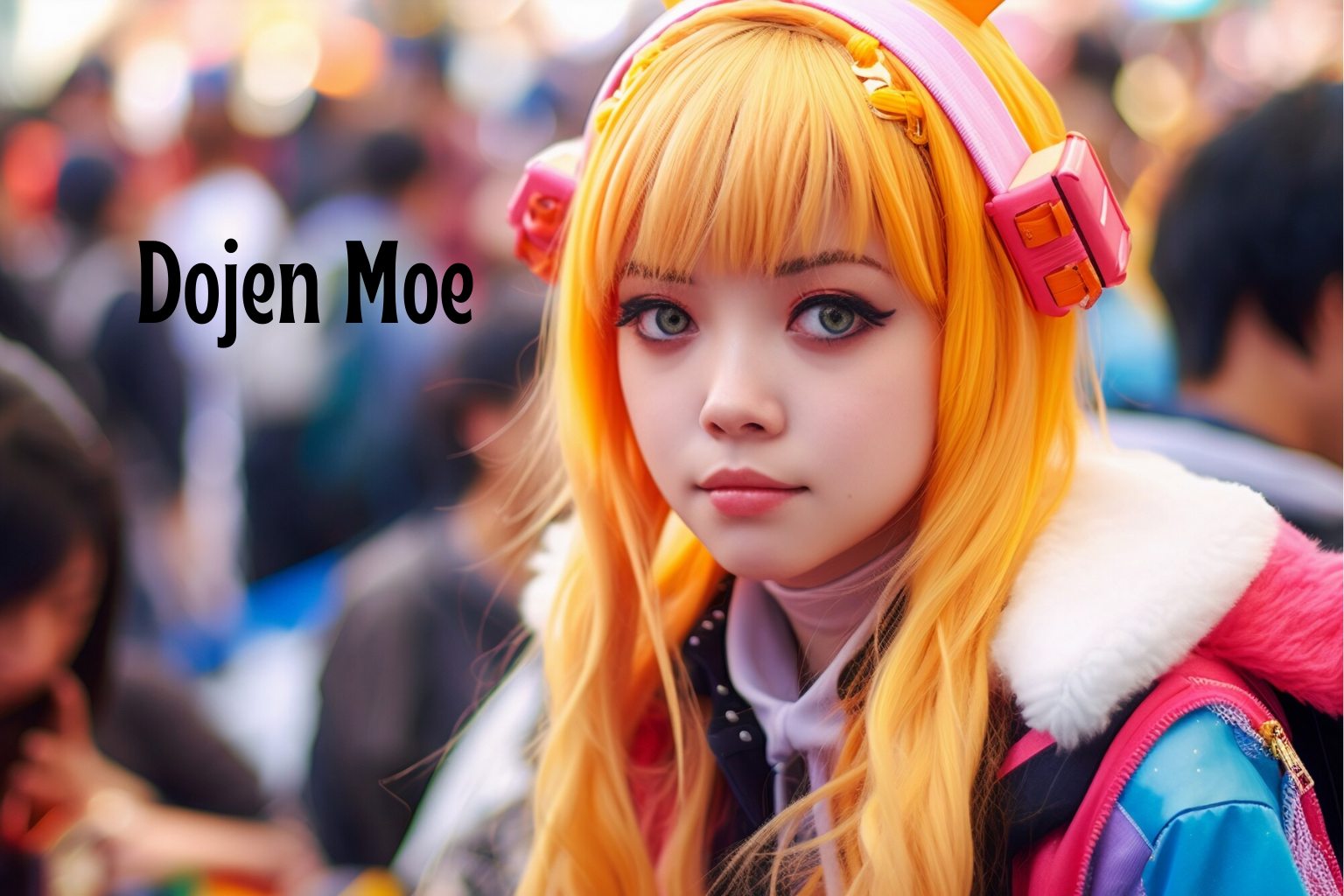
One of the most recognizable features of Dojen Moe characters is their exaggerated eyes—large, luminous, and expressive. These eyes are designed to convey depth of feeling with minimal animation or dialogue.
Soft, rounded facial features and gentle contours create a sense of innocence and approachability. These visual cues make characters feel emotionally open and safe—key to building the affectionate connection that defines Dojen Moe.
Whimsical Backgrounds and Playful Aesthetics
Backgrounds in Dojen Moe settings often feature lush color palettes, imaginative environments, and an almost dreamlike quality. From pastel-colored skies to abstract, fantastical landscapes, these visuals enhance the emotional tone of each scene, making the world feel alive and welcoming.
Animation Techniques in Dojen Moe — Fluid Motion, Color, and Detail
Whether in animated shorts or digital illustrations, Dojen Moe pays meticulous attention to fluid motion and nuanced expressions. Animators may emphasize subtle gestures—like a shy glance or nervous smile—to convey emotional subtext. The overall aesthetic prioritizes mood and feeling over high-intensity action
4. Characters and Storytelling
At its heart, Dojen Moe is character-driven. Stories in this subculture are less about plot twists and more about emotional resonance and interpersonal relationships.
The Heart of Dojen Moe: Character Archetypes
Dojen Moe centers on characters that feel immediately familiar yet deeply nuanced. Common archetypes include:
- The Gentle Protagonist: A curious, kind-hearted character whose emotional journey forms the narrative backbone.
- The Playful Sidekick: Adds levity and charm, often offering humor or emotional support.
- The Complex Rival: Provides conflict but also emotional depth and growth.
Each character is crafted to draw emotional investment from the audience, reinforcing the themes of connection and personal evolution.
Emotional Story Arcs and Personal Growth
Unlike dramatic or plot-heavy genres, Dojen Moe focuses on emotional arcs: moments of vulnerability, self-discovery, and interpersonal bonding. These arcs often center around themes like friendship, acceptance, and overcoming insecurities.
For example, a character might struggle with self-confidence, only to find strength through supportive relationships. These stories celebrate emotional honesty and human connection—elements that resonate across age groups and cultures.
Relationship‑Driven Narratives
Friendship, loyalty, and emotional support often take center stage in Dojen Moe narratives. Relationships are portrayed with tenderness and sincerity: quiet conversations, shared laughter, and small moments of understanding carry as much weight as grand plot events.
This relational focus makes Dojen Moe appealing to fans who seek heartfelt connection rather than high-stakes conflict.
5. Themes and Messages
While Dojen Moe is undoubtedly adorable and aesthetically pleasing, its true power lies in the themes it explores.
Friendship, Innocence, and Emotional Softness
The core of Dojen Moe often lies in the simplicity of human connection. Themes such as friendship and mutual support are explored with emotional granularity. Innocence—both as a visual style and narrative theme—evokes memories of childhood curiosity and wonder.
Creativity and Imagination in Dojen Moe
Creativity itself is a recurring theme. Characters often embark on journeys of expression and imagination, encouraging audiences to embrace their own artistic impulses. In many ways, Dojen Moe reflects the creative freedom of its fan community origins.
Nostalgia and Life Lessons
Many fans are drawn to Dojen Moe because it evokes nostalgia—a yearning for simpler times or childhood experiences. But beyond nostalgia, the stories often convey meaningful life lessons about resilience, empathy, and personal growth.
6. Cultural Impac
Dojen Moe has expanded far beyond its doujin roots, leaving a significant imprint on global pop culture.
Global Popularity of Dojen Moe — From Japan to the World
Once a localized aesthetic, Dojen Moe now thrives internationally thanks to digital platforms, fan communities, and social media. International artists and fans contribute to its evolution, infusing cultural diversity into the aesthetic.
Fan Art, Cosplay, and Community Engagement
One of the most vibrant expressions of Dojen Moe’s influence is the fan art movement. Online platforms like Instagram, Pixiv, and DeviantArt teem with Dojen Moe‑inspired illustrations that reinterpret characters with personal flair.
Cosplay culture has also embraced the style—fans craft costumes that capture the innocent, expressive qualities of Dojen Moe characters. Conventions worldwide often showcase these creations, fostering artistic exchange and community celebration.
Merchandising, Conventions, and Pop Culture Influence
The commercial impact of Dojen Moe is visible in merchandise such as plushies, apparel, keychains, and art books. Conventions featuring panels and workshops further solidify its presence. This enthusiasm reflects not just aesthetic appeal, but community investment and emotional significance.
Cross‑Cultural Adaptations
Because Dojen Moe resonates with universal themes—like affection, vulnerability, and connection—it has been adapted creatively by artists from diverse cultures. Some blend traditional folklore with Dojen Moe aesthetics, while others integrate stylistic elements from regional art forms. These adaptations enrich the subculture and make it more inclusive.
7. Applications Across Medi
Dojen Moe in Anime and Manga
Although not always a mainstream genre, elements of Dojen Moe appear in anime and manga that prioritize emotional storytelling and expressive character designs. Whether in short films, web animations, or serialized manga, creators increasingly borrow Dojen Moe aesthetics to enhance character relatability and depth.
Illustrations, Fan Art, and Digital Creations
Many artists prefer Dojen Moe for its expressive potential. The style lends itself well to personal illustrations, character concept art, and digital storytelling. Online art challenges and collaborations keep the aesthetic vibrant and evolving.
Interactive Webcomics, Games, and AI‑Generated Ar
Emerging platforms allow fans to engage with Dojen Moe in interactive formats—webcomics with choice‑based narratives, mobile games that highlight character‑driven stories, and AI‑assisted art tools that expand creative possibilities.
8. Criticisms and Challenges
Despite its popularity, Dojen Moe is not without criticism.
Unrealistic Beauty Standards
Some critics argue that exaggerated cuteness perpetuates unrealistic aesthetic ideals. While many fans embrace the style’s charm, others urge sensitivity regarding how these portrayals may influence perceptions of beauty.
Cultural Misinterpretations and Authenticity Concerns
As the subculture spreads globally, instances of cultural misinterpretation have arisen. Some adaptations stray from the aesthetic’s origins in ways that may unintentionally dilute its meaning. This raises conversations about respectful cultural exchange and authentic representation.
Oversaturation and Market Competition
With the growing popularity of Dojen Moe, some fans feel the market has become saturated with visually similar art, making it harder for original voices to stand out. This challenge underscores the importance of creativity and innovation within the community.
9. The Future of Dojen Moe
Emerging Trends: Digital Art, AI, and Interactive Storytelling
The intersection of technology and creativity is shaping the next phase of Dojen Moe. AI‑assisted tools help artists explore new stylistic boundaries, while interactive story formats provide fans with immersive experiences.
Global Storytelling and Cultural Fusion
As Dojen Moe continues to evolve, expect even richer cultural variations. Folkloric elements, regional artistic traditions, and diverse narratives will further expand the subculture’s expressive range.
How Dojen Moe Will Evolve in the Next Decade
Looking ahead, Dojen Moe may continue merging digital innovation with emotional storytelling. Collaborative art platforms, global workshops, and multimedia projects could redefine what it means to create and engage with Dojen Moe content in the 21st century.
10. Conclusion
Dojen Moe is more than an art style—it’s a living, breathing cultural phenomenon that celebrates emotional connection, artistic creativity, and shared human experience. From its origins in doujin culture to its global presence in fan communities, Dojen Moe has carved out a special place in the anime landscape.
Its charm lies not just in adorable visuals, but in the emotional resonance it evokes. Through friendship, vulnerability, and personal growth, Dojen Moe reminds us why stories matter—not just for what they show, but for how they make us feel.
11. FAQs About Dojen Moe
Q: What does Dojen Moe mean?
A: Dojen Moe refers to a subculture within anime and manga fandom that focuses on characters with exaggerated cuteness, emotional depth, and narratives centered around connection and personal growth.
Q: Where did Dojen Moe originate?
A: It began in Japan’s doujin (fan‑created) art communities and has since been embraced by global creative circles.
Q: How is Dojen Moe different from other anime styles?
A: Unlike other genres that prioritize plot or action, Dojen Moe emphasizes emotional resonance, character expressiveness, and aesthetic innocence.
Q: How can fans engage with Dojen Moe?
A: Through creating and sharing fan art, writing stories, participating in online communities, and attending conventions that celebrate the aesthetic.Q: Is Dojen Moe only for anime fans?
A: No—while rooted in anime and manga, Dojen Moe’s focus on emotion and creativity makes it appealing to a wide range of fans, artists, and storytellers worldwide.
ALSO READ: URLWO: Complete Guide to URL Shortening, SEO Optimization, Link Tracking & Branding