
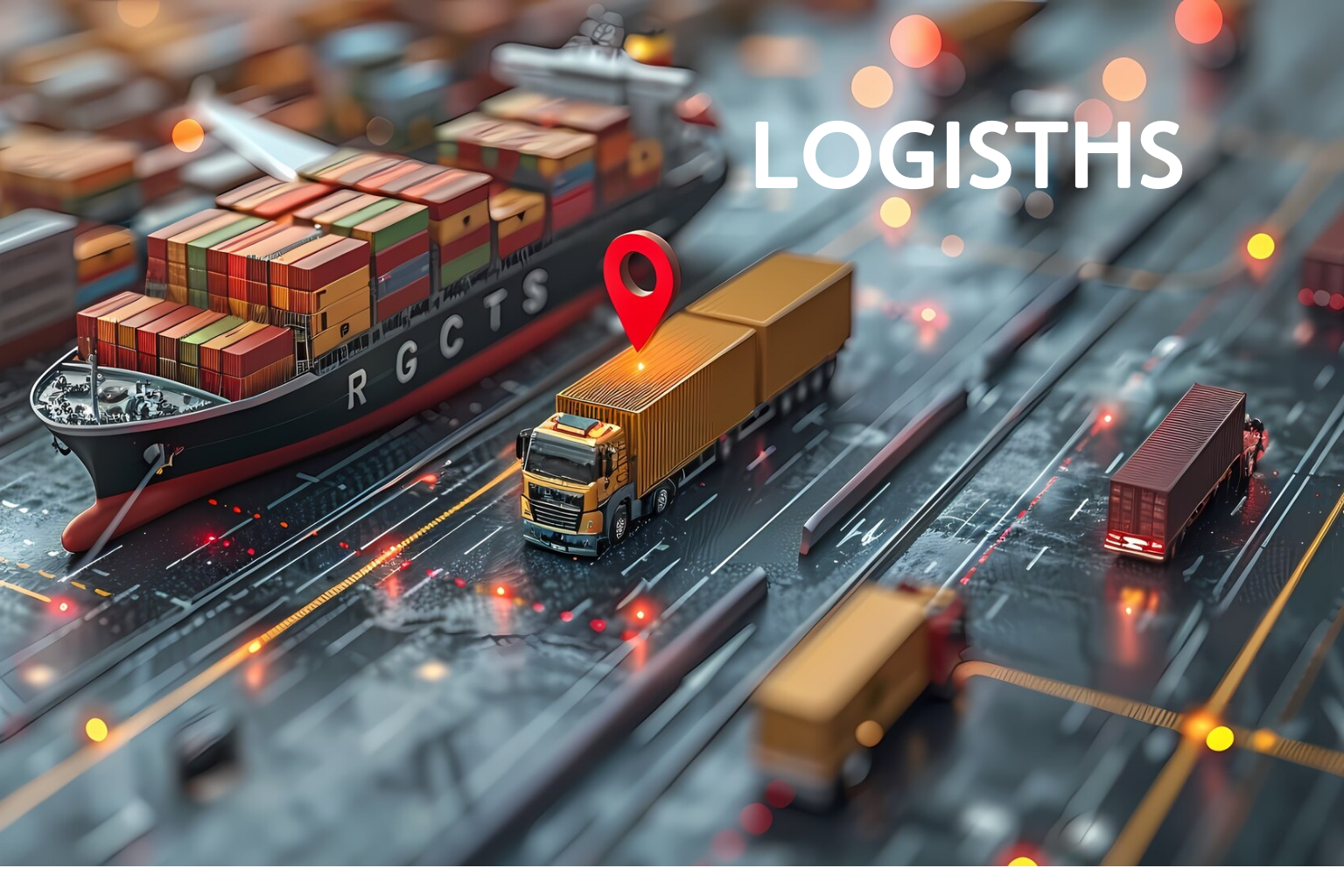
The world of logistics has entered a new era — one where traditional practices are being reshaped by real‑time data, predictive analytics, automation, and strategic integration across global value chains. At the heart of this transformation lies Logisths: a modern logistics framework that goes beyond conventional shipment tracking and fulfillment to unite technology, human expertise, and adaptive operations into an intelligent system capable of powering the supply chains of tomorrow.
In this guide, you’ll learn what Logisths is, why it matters, how it works, and how companies are already using its principles to build faster, smarter, and more resilient supply chains. Let’s dive in.
Introduction to Logisths and Modern Logistics
At first glance, “Logisths” might sound like a buzzword in corporate strategy discussions. But it reflects a deeper evolution in how logistics professionals think about supply chain execution, optimization, and responsiveness. Unlike standard logistics — which often focuses on moving goods from point A to point B — Logisths embodies a holistic logistics ecosystem that leverages data, integration, and intelligent decision‑making to optimize every link in the supply chain.
In the age of digital commerce, globalization, and unpredictable disruptions (from weather events to geopolitical shifts), supply chains must be more than efficient — they must be adaptive, data‑driven, and forward‑looking. Logisths bridges the gap between physical movement of products and the strategic use of technology and people to maximize value and minimize friction.
Why Logistics and Logisths Are Crucial in Supply Chain Management
Logistics is foundational to supply chain management — in fact, it is supply chain management in motion. Without robust logistics, products sit idle, costs skyrocket, and customer trust erodes. Today’s consumers expect instant tracking, fast delivery, and perfect condition upon arrival — expectations that only smart logistics systems can meet.
Logisths expands on this by turning traditional logistics into a strategic capability rather than a set of discrete tasks. It enhances operational performance, gives companies a competitive edge, and directly impacts profitability. In 2025, the logistics market was already valued at around $11.23 trillion, with projections suggesting continued expansion as e‑commerce and global trade grow.
By integrating forecasting tools, advanced planning systems, and real‑time monitoring, companies using Logisths can anticipate disruptions, optimize inventory placement, and dynamically route goods based on live network conditions — all of which improve both performance and customer satisfaction.
Core Components of Logisths and Modern Logistics
To understand Logisths fully, it helps to break down its key components. Each of the following areas plays an essential part in the logistics ecosystem:
Transportation & Multi‑Modal Shipping
Transportation is the backbone of logistics — it’s how products move between suppliers, warehouses, distribution centers, and customers. Multi‑modal strategies (using road, rail, air, and sea in combination) help companies strike the best balance between speed and cost.
For example, major logistics hubs like UPS Worldport in Louisville handle millions of packages daily, relying on automation and optimized flight networks to maintain global connections.
Modern Logisths systems use real‑time traffic data, weather forecasts, and advanced routing algorithms to reduce transit times and avoid congestion — linking logistics more tightly to operational performance.
Warehousing & Micro‑Fulfillment Centers
Warehouses aren’t just storage locations anymore — they are dynamic operational centers with increasing levels of automation and digital control. Micro‑fulfillment centers — smaller, tech‑enhanced storage facilities near urban areas — help reduce delivery times for last‑mile logistics, a critical component in customer satisfaction.
According to industry data, the warehouse automation market alone is expected to exceed $30 billion by 2026, driven by robotics and fulfillment center optimization.
Logisths systems integrate warehouse management software, robotics, and real‑time inventory controls to make fulfillment faster and more accurate.
Inventory Management & Stock Optimization
Inventory is both a company’s lifeblood and its biggest cost center. Too much stock ties up capital; too little stock risks lost sales. Logisths uses predictive analytics and AI to forecast demand more accurately, balance stock levels, and reduce both shortage and excess.
In traditional supply chains, forecasts might be updated weekly or monthly. In a Logisths framework, demand forecasts are updated continuously using real‑time sales data, external signals (like weather or promotions), and historical performance.
Packaging & Handling
Packaging is often overlooked in logistics discussions, but its design has a big impact on efficiency. Effective packaging protects goods, optimizes space on trucks and shelves, and accelerates handling processes. In Logisths systems, packaging decisions are driven by data — for example, size optimization algorithms that maximize pallet utilization while minimizing shipping costs.
Control Towers & Decision Intelligence
One of the most powerful innovations in Logisths is the emergence of control towers — centralized platforms that provide end‑to‑end visibility into operations. These dashboards aggregate data from suppliers, transportation, warehouses, and partners, empowering logistics teams to see the entire network in real time.
With decision intelligence tools, these control towers don’t just display data — they help operators simulate outcomes, evaluate scenarios, and optimize plans using AI, enabling smarter, proactive decision‑making in dynamic environments.
Technology Driving Modern Logistics and Logisths
Technology is the engine powering modern logistics and Logisths. Here are the main tech breakthroughs shaping this field:
Artificial Intelligence (AI) and Machine Learning
AI allows systems to analyze vast datasets, predict demand, and identify patterns that humans might miss. Predictive modeling helps companies reduce waste, optimize routes, and enhance forecasting accuracy across every logistical process.
Internet of Things (IoT) and Real‑Time Tracking
IoT sensors on cargo and equipment collect live data about location, temperature, humidity, and shock exposure. This is especially valuable for sensitive shipments like pharmaceuticals or perishables.
Companies using IoT gain unprecedented visibility into shipment conditions, enabling better risk management and customer communication.
Cloud Platforms & Data Integration
Cloud‑based logistics platforms unify data from multiple sources — systems that were once siloed — enabling a single operational view accessible to all partners. This level of integration is central to Logisths’ unified approach.
Automation & Robotics
Automation is transforming warehousing, shipment sorting, and last‑mile delivery. Robots pick and pack orders faster than humans, reducing errors and enabling 24/7 operations. As automation costs decline, these systems become accessible even for mid‑sized logistics providers.
Blockchain for Transparency and Security
Blockchain offers tamper‑proof tracking records, improved contract automation (via smart contracts), and enhanced trust across partners. In logistics, it is increasingly valuable for reducing disputes, improving traceability, and strengthening supply chain security.
Benefits of Implementing Logisths
Logisths delivers measurable benefits across operational, strategic, and customer‑centric metrics:
Cost Reduction and Improved Efficiency
By automating planning, routing, and execution, companies cut manual labor costs and reduce wasted transport miles. Predictive tools help prevent disruptions that would otherwise drain resources.
Dynamic and Data‑Driven Decision‑Making
Instead of reacting to weekly reports, operations teams can make decisions based on real‑time insights — improving responsiveness and accuracy.
Enhanced Customer Satisfaction
With better forecast accuracy, real‑time tracking, and smarter delivery networks, companies can provide more reliable delivery windows, reducing customer churn and increasing loyalty.
Sustainability and Eco‑Friendly Practices
Smart routing and optimized networks reduce fuel consumption and emissions — a priority for firms facing regulatory pressure and consumer demand for green operations. An estimated 25% of logistics providers plan to adopt eco‑friendly solutions by 2030 in pursuit of sustainability goals.
Challenges in Logistics and Logisths
Despite its transformational benefits, Logisths adoption isn’t without hurdles:
Managing Fluctuating Demand and Supply Disruptions
Global markets are unpredictable, and demand spikes or supply interruptions can strain logistics networks. Logisths helps anticipate and plan for many issues, but extreme volatility still poses risks.
Transportation Delays and Route Optimization
Even the best logistics systems face delays from weather, port congestion, and operational constraints. For example, major European ports have recently experienced significant congestion due to trade policy changes and freight surges.
Talent Shortages and New Logistics Roles
The industry needs professionals fluent in both logistics operations and data analytics — a hybrid skill set that’s in short supply. Educators and certification programs are rapidly expanding to meet this demand, reflecting the growing role of tech‑savvy logisticians.
Legacy System Integration and Cybersecurity Risks
Many companies still rely on outdated systems that don’t share data efficiently. Connecting these legacy systems to modern platforms can be expensive and complex, and the increased connectivity also raises cybersecurity concerns that must be addressed.
Investment and Technology Adoption
Building a fully integrated Logisths environment requires up‑front investment in software, sensors, and cloud platforms — which can be a barrier for smaller companies.
Future Trends in Logistics and Logisths
Looking ahead, several major trends are set to shape the next decade:
Autonomous Vehicles and Drones
Last‑mile delivery is likely to evolve rapidly with autonomous trucks and delivery drones, reducing labor costs and accelerating service. Early pilots are already underway, with full deployment plans into the mid‑2020s.
AI‑Driven Predictive Logistics
AI systems will continue to expand their predictive capabilities, helping logistics managers anticipate disruptions months in advance rather than days.
Sustainable and Green Logistics Practices
Carbon reduction goals will drive innovations like electric fleets, green packaging, and optimized routes designed to minimize environmental impact.
Logisths as a Service (LaaS)
Cloud‑based logistics services will enable even small and mid‑sized companies to adopt advanced planning and tracking tools without heavy infrastructure costs.
Enhanced Risk Management
With global uncertainties on the rise — from trade policy changes to natural disasters — the ability to model, predict, and mitigate risk will become even more valuable.
Who Can Benefit Most from Logisths
Logisths isn’t limited to one sector — its principles apply across industries:
- Large Enterprises managing complex global supply chains
- E‑commerce Companies needing fast, reliable delivery networks
- Manufacturers coordinating multi‑tiered sourcing
- 3PL Providers seeking operational excellence and differentiation
- Healthcare and Perishable Goods Sectors where timing and condition are mission‑critical
Even smaller firms can implement modular Logisths tools — like real‑time tracking dashboards or AI‑powered forecasting — to enhance performance without full infrastructure overhaul.
Conclusion: The Strategic Importance of Logisths
In a world where supply chains are more interconnected — and more fragile — than ever before, Logisths represents the next frontier of logistics innovation. It unifies people, processes, and technology into an intelligent system capable of not just executing operations, but optimizing them for resilience, sustainability, and competitive advantage.
From predictive analytics and control towers to automation and blockchain — Logisths equips businesses with the tools they need to thrive in an ever‑changing marketplace. Companies that embrace this comprehensive approach now are positioning themselves not just for short‑term gains, but for future‑ready supply chain leadership.
ALSO READ.