
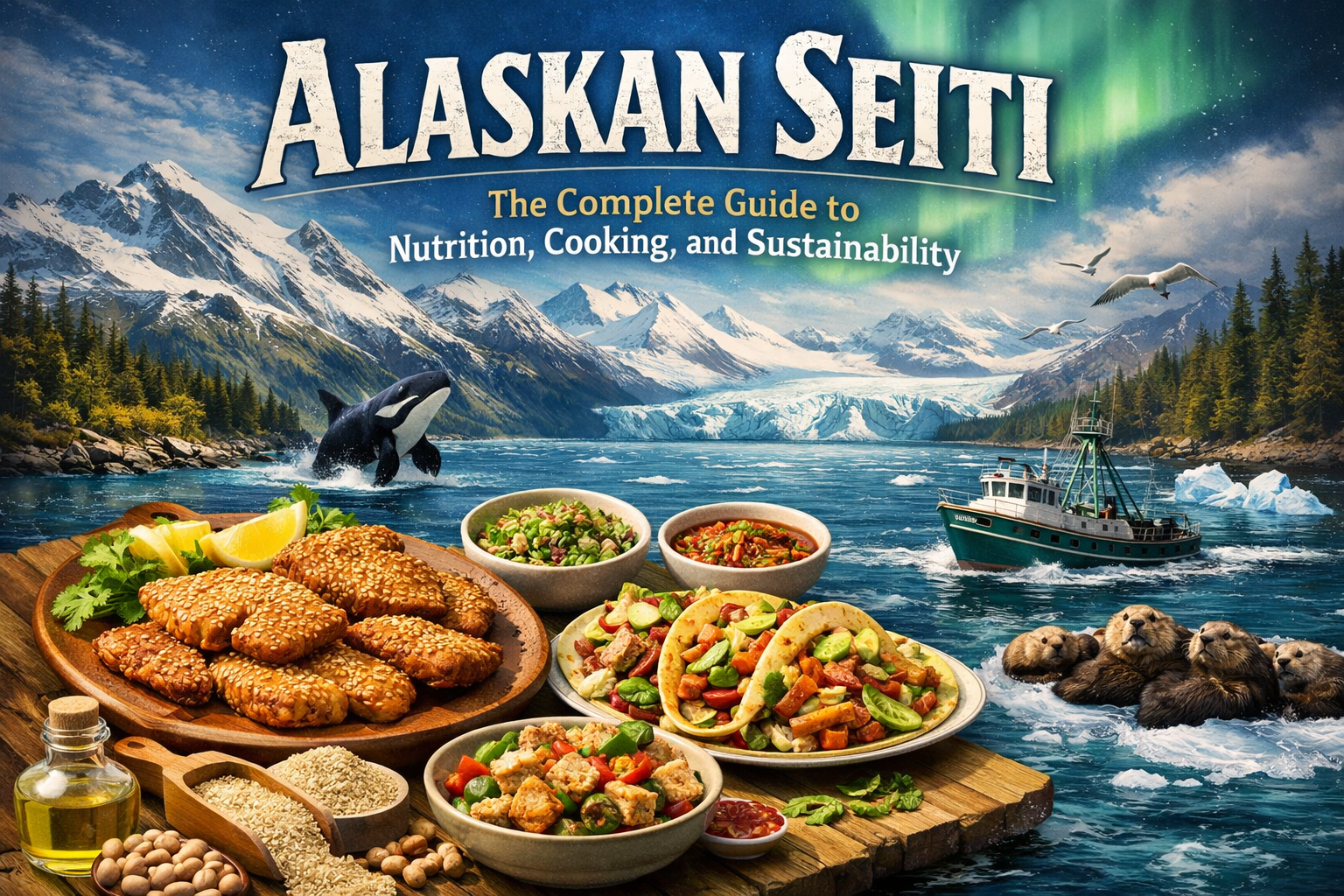
Alaskan Seiti, widely known in global markets as Alaska Pollock, is a versatile whitefish that has grown in popularity across the world. From frozen seafood aisles to traditional Nordic recipes, this fish is prized for its mild flavor, nutritional value, affordability, and eco-friendly reputation when sourced responsibly. Despite its growing presence in kitchens and commercial food production, many people are still unclear about what Alaskan Seiti truly is, its origins, and its environmental significance.
This comprehensive guide explores everything you need to know about Alaskan Seiti: its natural habitat, physical characteristics, culinary uses, nutritional profile, life cycle, adaptations, threats, sustainability, and cultural importance.
1. Introduction to Alaskan Seiti
Alaskan Seiti is the commercial and regional name used primarily in Northern and Eastern Europe, especially Finland, for a fish known globally as Alaska Pollock. Belonging to the cod family (Gadidae), it is a lean whitefish prized for its firm, flaky texture and mild taste.
Although it may sound exotic, Alaskan Seiti is not a separate species; it is simply a familiar retail name that helps consumers recognize the fish in frozen products, ready-made meals, and culinary recipes. Its popularity has grown because it is easy to cook, versatile, and fits a wide range of dietary needs.
Key facts:
- Scientific name: Gadus chalcogrammus
- Type: Whitefish, cod family
- Typical uses: Fillets, fish sticks, surimi, and traditional Nordic dishes
2. Natural Habitat and Distribution
Alaskan Seiti thrives in the cold, deep waters of the North Pacific Ocean, primarily in the Bering Sea and the Gulf of Alaska. These regions are highly productive ecosystems, supporting large populations of various marine species.
Environmental conditions:
- Water temperature: 0–5°C (32–41°F)
- Depth: 20–1,000 meters
- Diet: Plankton, small crustaceans, and other marine organisms
Commercial fisheries often harvest Alaskan Seiti using sustainable trawling techniques, with strict quotas and scientific monitoring to maintain healthy populations. Due to its fast growth and abundance, this fish supports a high-volume commercial industry without putting extreme pressure on natural stocks when managed responsibly.
Fun fact: The North Pacific produces over 3 million metric tons of Alaska Pollock annually, making it one of the most heavily traded seafood species in the world.
3. Physical Characteristics and Taste Profile
Alaskan Seiti is recognized for its white, firm flesh and mild, neutral flavor. Unlike stronger-tasting fish such as mackerel or sardines, it easily absorbs seasonings, marinades, and sauces, making it a favorite in both home kitchens and commercial food production.
Characteristics:
- Flesh: White, firm, and flaky
- Flavor: Mild and delicate
- Oil content: Low
- Consistency: Uniform fillet size for processed products
This neutral taste makes Alaskan Seiti highly versatile, suitable for baking, steaming, pan-frying, or even incorporation into soups and stews. Its light flavor also appeals to people who are new to cooking fish at home.
4. Nutritional Value and Health Benefits
Alaskan Seiti is a nutritional powerhouse. It offers high-quality protein while being low in fat and calories, making it a perfect choice for balanced diets.
Nutritional highlights per 100g serving:
- Calories: 92 kcal
- Protein: 19 g
- Fat: 0.9 g
- Omega-3 fatty acids: 0.3 g
- Vitamin B12: 2.0 µg (≈83% DV)
- Selenium: 36 µg (≈65% DV)
- Phosphorus: 200 mg (≈28% DV)
Health benefits:
- Supports muscle growth and repair due to high protein content
- Promotes heart health with omega-3 fatty acids
- Low in saturated fat—ideal for weight management
- Rich in essential vitamins and minerals, supporting immunity, bone health, and energy metabolism
Because of its low carb and fat content, Alaskan Seiti fits well into low-calorie, keto, or clean-eating diets.
5. Culinary Uses
Alaskan Seiti’s mild taste and firm texture make it a culinary chameleon, fitting both traditional and modern dishes.
Home cooking methods:
- Baking: With herbs, garlic, and lemon for a healthy, flavorful meal
- Pan-frying: Lightly breaded or in batter for crispy fish dishes
- Steaming: Retains moisture and nutrients
- Soups and stews: Adds protein without overpowering flavor
Commercial uses:
- Frozen fillets for quick preparation
- Breaded portions and fish sticks
- Surimi-based products, such as imitation crab
- Ready-made meals, including casseroles and curries
Popular regional pairings:
- Nordic cuisine: Served with potatoes, root vegetables, and creamy sauces
- Asian cuisine: Used in curries, steamed dishes, or fried preparations
- Western fast foods: Fish sandwiches, nuggets, and tacos
6. Life Cycle of Alaskan Seiti
Understanding the life cycle of Alaskan Seiti helps in sustainable management and appreciation of its ecological role.
Hatchlings:
- Hatch from eggs in cold waters
- Depend on yolk sac for initial nourishment
- Hide in seaweed or rocky crevices to avoid predators
Juveniles:
- Start exploring larger habitats
- Form schools for safety
- Shift diet to plankton and small crustaceans
- Develop camouflage abilities for predator avoidance
Adults:
- Engage in mating rituals during spring
- Females lay eggs in secure locations
- Adults develop keen senses to detect predators
- Skilled foragers hunting small fish and crustaceans
7. Unique Adaptations and Behaviors
Alaskan Seiti possesses several adaptations for survival in cold, predator-rich environments:
- Streamlined body: Reduces drag for efficient swimming
- Camouflage: Light coloration blends with ocean floor
- Schooling: Provides protection from larger predators
- Advanced sensory perception: Detects food and threats efficiently
These traits make Alaskan Seiti resilient to environmental challenges, ensuring population stability in its native habitat.
8. Threats to Alaskan Seiti
Despite being abundant, Alaskan Seiti faces several challenges:
- Overfishing: Global demand can strain populations
- Pollution: Contaminants reduce food availability
- Climate change: Rising ocean temperatures affect breeding grounds
- Habitat loss: Urbanization and marine development
- Invasive species: Compete for resources or introduce diseases
These threats underscore the need for responsible consumption and fisheries management.
9. Sustainability and Fishery Management
Alaskan Seiti is often highlighted as a sustainable seafood choice. Fisheries in the North Pacific are closely monitored.
Key management practices:
- Catch limits: Annual quotas to prevent overfishing
- Scientific monitoring: Stock assessments and ecosystem studies
- Eco-certifications: MSC (Marine Stewardship Council) certified fisheries
- Marine ecosystem protection: Ensuring minimal impact on habitats
Consumers can support sustainability by choosing certified Alaskan Seiti and promoting responsible seafood practices.
10. Cultural and Regional Importance
Alaskan Seiti is a staple in Nordic households due to its affordability and versatility. Over time, it has gained cultural significance in traditional and modern recipes.
Regional impact:
- Adapted into soups, baked dishes, and fish cakes in Finland and Sweden
- Used as an affordable alternative to cod in international cuisines
- Plays a role in global seafood trade, influencing pricing and availability
11. Common Misconceptions
- “It’s a different fish.” – False. It’s Alaska Pollock under a regional name.
- “It’s low in nutrients.” – False. Rich in protein, omega-3s, and vitamins.
- “It tastes bland.” – Mild, yes, but it absorbs flavors exceptionally well.
- “It’s not sustainable.” – Sustainable if sourced from certified fisheries.
12. Conclusion
Alaskan Seiti is more than just a fish in the freezer section. It represents:
- Health: High protein, low fat, and nutrient-rich
- Culinary versatility: Works in countless recipes across cuisines
- Sustainability: Managed fisheries ensure responsible consumption
- Cultural significance: Staple in Nordic and international diets
By understanding its life cycle, nutritional value, and ecological role, consumers can make informed, sustainable choices and enjoy this versatile fish in everyday meals.
13. Frequently Asked Questions (FAQ)
Q1: What is Alaskan Seiti made from?
A1: Alaskan Seiti refers to the whitefish known globally as Alaska Pollock, sourced from the North Pacific Ocean.
Q2: Is it healthy to eat?
A2: Yes. It is high in protein, low in fat, and rich in vitamins and minerals, supporting heart, muscle, and overall health.
Q3: Does it have a strong taste?
A3: No. It has a mild, neutral flavor that absorbs seasonings well.
Q4: Can it be used in traditional recipes?
A4: Absolutely. It works in baked dishes, soups, stews, fish cakes, and modern cuisines.
Q5: Is it environmentally friendly?
A5: When sourced from sustainably managed fisheries, Alaskan Seiti is considered an eco-friendly seafood option.
ALSO READ: Crocolini: The Ultimate Guide to Taste, Nutrition, and Cooking