
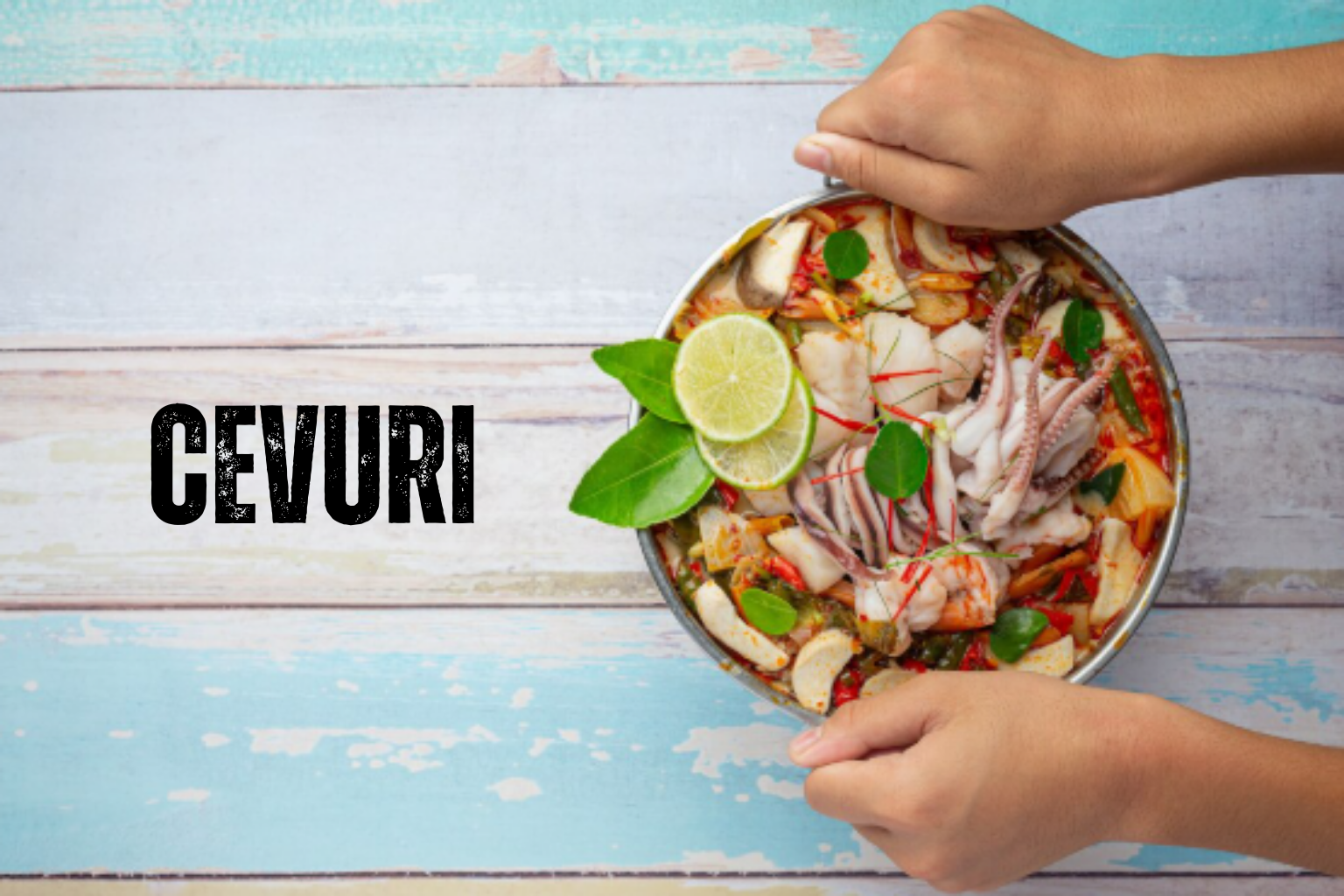
Cevurı is a traditional dish that’s rich in history, culture, and flavor — yet surprisingly little known outside of certain culinary circles. Whether you’ve heard the term and wondered what it means, or you’re curious about how it relates to similarly named dishes like ceviche, this comprehensive guide will explore every aspect of Cevurı, from its roots to how you can make it at home
What Is Cevurı?
Cevurı (pronounced /cheh‑VOO‑ree/) is a traditional dish primarily associated with Turkish cuisine. Unlike popular Turkish offerings like kebabs or baklava, Cevurı has remained largely under the radar — cherished in homes and rural communities more than in high‑end restaurants. At its core, Cevurı is a hearty, slow‑cooked meal that can vary widely depending on region, ingredients, and family traditions. Some versions emphasize meats like lamb or beef, while others feature vegetables, legumes, and grains simmered in aromatic spices. It’s important to mention that Cevurı is NOT the same as ceviche, the citrus‑marinated seafood dish popular in Latin America. We’ll explore this difference in detail below.
Origin and History of Cevurı
Early Roots and Cultural Background
The precise origins of Cevurı are somewhat elusive — partly because the dish developed organically across region after region, evolving with the cultures that adopted it. Historical references place its emergence in rural Anatolia, where communities blended local ingredients with cooking practices passed down through generations.
Unlike many classic Turkish foods that trace their origins to well‑documented Ottoman culinary traditions, Cevurı often came from home kitchens rather than royal courts. It was a dish born of necessity, resourcefulness, and community — ingredients chosen not for luxury but for nourishment and flavor. How Cevurı Evolved Over Time
As trade routes expanded and cultures exchanged ideas, Cevurı picked up ingredients and techniques from multiple influences. Spices once considered luxury items made their way into Anatolia, adding depth to the dish. Some historians believe that its evolution mirrors Turkey’s own cultural complexity — melding rural tradition with regional diversity. Today, Cevurı stands as a symbol of comfort food rooted in heritage, served at family gatherings, celebrations, and even festivals that honor regional gastronomy.
Cevurı vs Ceviche – Are They the Same Thing?
It’s easy to confuse Cevurı with ceviche — both words sound similar, and both refer to food. But they are completely different dishes:
Key Differences in Ingredients
- ⭐ Cevurı uses meats (often lamb or beef), vegetables, legumes, or grains, seasoned with herbs and spices. ⭐ Ceviche is a seafood dish made by marinating raw fish or shellfish in citrus juice (usually lime or lemon), which “cooks” the protein chemically.
Differences in Preparation Methods
- Cevurı is slow‑cooked and savory, often simmered until ingredients melt together in flavor.
- Ceviche is not cooked with heat; the acidity of citrus denatures the fish proteins.
Cultural and Regional Distinctions
- Cevurı emerges from Turkish, Anatolian, and Middle Eastern traditions.
- Ceviche is deeply rooted in Latin American coastal culture, especially Peru and Ecuador.
Why People Confuse Them
Beyond similar spelling, the confusion often arises because internet searches group them together or mislabel images. Clarifying these differences early helps readers understand that while both dishes are rich in culture, they’re entirely distinct.
Traditional Ingredients Used in Cevurı
Cevurı’s beauty is its flexibility — yet some ingredients appear consistently across many regional versions.
Core Components
- Meat: Lamb or beef is most common, prized for richness and flavor.
- Legumes and Grains: Chickpeas, lentils, and bulgur wheat are often included, adding protein and texture.
- Vegetables: Tomatoes, peppers, eggplant, and onions — often sautéed to build flavor.
- Herbs: Fresh parsley, mint, and dill bring brightness and balance.
- Spices: Cumin, paprika, pepper, and sometimes warm spices like cinnamon or allspice enhance complexity.
Flavor Profile
The resulting dish tends to be savory and aromatic, with layers of earthy warmth and herbaceous freshness. It’s decorating simplicity with depth — exactly the sort of comfort food that’s steeped in tradition.
How Cevurı Is Prepared Traditionally
Traditional Cooking Techniques
Cevurı is most often prepared slow and low — a method that allows the flavors of meat and vegetables to meld into rich complexity. Aromatics like onion and garlic are sautéed first to form the base, then other ingredients are added gradually.
The pot is usually covered while simmering, and the cooking time can range from 30 minutes to several hours, depending on the ingredients used.
Time, Temperature, and Flavor Balance
One of the keys to a great Cevurı is patience. Low heat ensures that tough cuts of meat become tender and spices release their essence without burning.
Common Mistakes to Avoid
- Overcooking tender vegetables
- Using too much liquid at the start
- Skipping fresh herbs (they brighten the finish)
Popular Types and Variations of Cevurı
Cevurı is not one fixed recipe — it’s more like a culinary family with many branches.
Meat‑Based Cevurı
Traditional versions use lamb or beef, slowly braised with legumes or grains. Vegetarian and Vegan Cevurı
In some regions, meat is replaced with lentils, chickpeas, or eggplant — creating a nutritious and satisfying dish. Seafood Cevurı
In coastal areas, fresh fish or shrimp is incorporated into Cevurı — though this should not be confused with ceviche.Regional Variations Across Turkey
Each area adds its own twist — some use local peppers unique to Southeastern Anatolia, while others integrate flatbread accompaniments or yogurt sauces.
Modern and Unique Twists on Cevurı
Cevurı is gaining momentum as chefs reinterpret it for new audiences.
Fusion and Global Menus
- Cevurı wraps with flatbread and spiced yogurt
- Slow‑cooked lamb Cevurı tacos
- Vegan cevurı bowls with grains and roasted veggies
These modern adaptations keep tradition alive while appealing to diverse palates.
Step‑by‑Step Guide: How to Make Cevurı at Home
Here’s a complete, easy‑to‑follow recipe to make Cevurı in your kitchen:
Ingredients
- 1 lb lamb or beef, cut into cubes
- 2 tbsp olive oil
- 1 onion, finely chopped
- 2 cloves garlic, minced
- 1 bell pepper, diced
- 1 cup cooked chickpeas or lentils
- 2 tomatoes, chopped
- 1 tsp cumin
- 1 tsp paprika
- Salt and black pepper to taste
- Fresh parsley for garnish
Instructions
- Heat olive oil in a heavy pot over medium heat.
- Sauté onion and garlic until fragrant and soft.
- Add meat and brown on all sides.
- Stir in bell pepper, tomatoes, and legumes.
- Sprinkle spices and seasonings, then reduce heat.
- Simmer gently for 45 minutes, stirring occasionally.
- Garnish with fresh parsley and serve warm with flatbread.
- Serving Suggestions
Serve with rice, yogurt, or crusty bread to soak up every last drop of flavor.
Health Benefits of Eating Cevurı
Cevurı can be a nutritious meal, especially when balanced with vegetables and legumes.
Nutritional Value
- Protein: From meat or chickpeas
- Fiber: From legumes and veggies
- Healthy fats: From olive oil
- Vitamins & minerals: From herbs and vegetables
Is Cevurı Good for Weight Loss?
Moderate portions of Cevurı can fit into a balanced diet. Choosing lean meat and focusing on vegetables increases its nutritional profile.
Best Side Dishes and Pairings with Cevurı
Traditional Pairings
- Flatbread or pita
- Yogurt sauce
- Rice pilaf
Drink Pairings
Although less documented than wine pairings for ceviche, Cevurı pairs well with:
- Ayran (traditional Turkish yogurt drink)
- Herbal tea
- Light beer or dry white wine
These beverages help balance the rich and hearty flavours of the dish.
Where to Eat Authentic Cevurı
Cevurı is most commonly found in:
- Home kitchens throughout Turkey
- Local eateries and traditional ev yemekleri restaurants
- Some modern cafes in Istanbul and Ankara
Ask locals for recommendations — sometimes the best dishes are hidden away from mainstream tourist menus.
Why Cevurı Is Becoming Popular Worldwide
With the rise of heritage cuisine and food tourism, dishes like Cevurı are gaining international attention. Home cooks share recipes online, and chefs in global cities experiment with fusion variations.
People are increasingly seeking authentic, flavorful, and wholesome foods — qualities that Cevurı delivers in abundance.
Frequently Asked Questions About Cevurı (FAQ)
What does Cevurı mean?
Though not definitively documented, the term likely refers to the method of cooking or mixing ingredients in Anatolian dialects.
Is Cevurı raw or cooked?
Cevurı is always cooked, usually through slow simmering. This differs fundamentally from raw marinated dishes like ceviche.
Is Cevurı the same as ceviche?
No — ceviche is a Latin American seafood dish marinated in citrus. Cevurı is a hearty Turkish stew with meat, vegetables, or legumes.
Can vegetarians eat Cevurı?
Yes — vegetarian versions with lentils, chickpeas, or eggplant are common.
Is Cevurı healthy?
When prepared with balanced ingredients and moderate oil, Cevurı offers protein, fiber, and essential vitamins.
Final Thoughts – Why You Should Try Cevurı
Cevurı is a culinary treasure that reflects centuries of tradition, regional diversity, and flavorful storytelling. From rustic homes in Anatolia to modern kitchens worldwide, it represents comfort, community, and creativity.
Whether you make it at home or seek it out in Turkey, exploring Cevurı introduces you to a world of taste that’s deep, satisfying, and undeniably memorable.
ALSO READ: Understanding Mannacote and Why the Name Confuses So Many People