

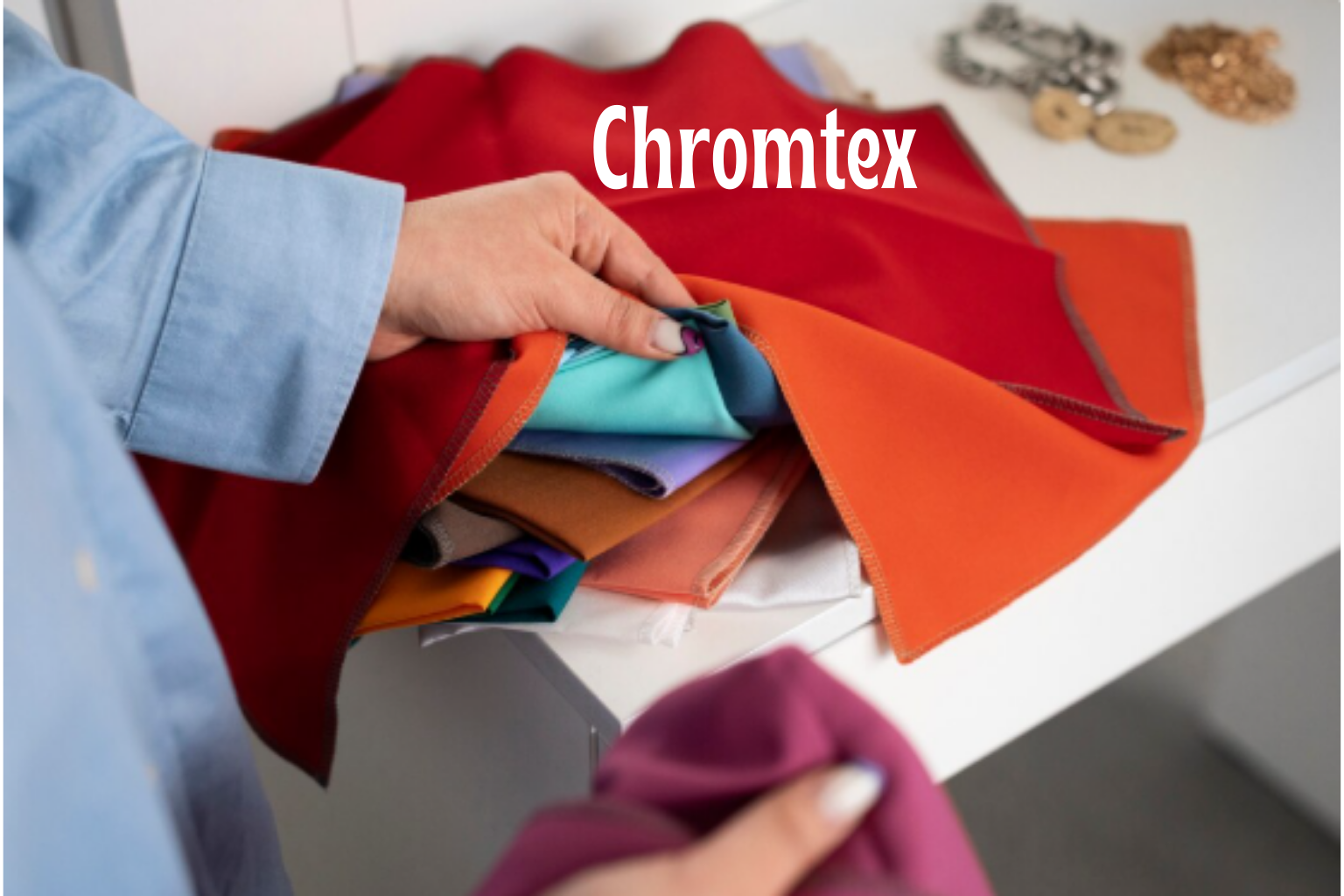
In the rapidly evolving world of textiles and design, few innovations have stirred as much excitement as Chromtex fabric. Born from a vision to blend functionality with beauty, Chromtex has emerged as a leader in the next generation of sustainable, high-performance materials. Whether you’re a fashion designer, interior stylist, textile engineer, or simply a curious reader, understanding what Chromtex is, why it matters, and where it’s headed is essential in 2026 and beyond.
This comprehensive guide explores every facet of Chromtex—from its origins and science to real-world uses across industries—arming you with both insights and actionable information. Let’s dive in.
Introduction to Chromtex
What Is Chromtex Fabric?
Chromtex is an innovative textile engineered to deliver outstanding performance while embracing sustainability. At its core, the material blends recycled synthetic fibers, advanced polymer technologies, and eco-conscious manufacturing techniques to create a fabric that’s as functional as it is beautiful. Unlike many textiles that force designers to make trade-offs between durability, comfort, sustainability, or aesthetics, Chromtex unifies all these qualities in a single, versatile material.
This unique combination has led designers, technologists, and fabric enthusiasts to herald Chromtex as the next big thing in textiles—a fabric poised to reshape fashion, interiors, and industrial applications.
Why Chromtex Is Gaining Global Attention in 2025
In 2025, sustainability, performance, and adaptability are no longer optional—they are essential. Consumers demand transparency and value, designers seek materials that behave predictably, and environmental impact is under intense scrutiny. Chromtex sits at the intersection of all these forces: a material that excels technically, looks remarkable, and aligns with global sustainability goals.
From runways in Paris and Tokyo to eco-conscious design studios and automotive interiors, Chromtex is making its mark—not as a fad, but as a foundational material for future innovations.
The Origin and Vision Behind Chromtex
The Genesis of Chromtex Innovation
Chromtex didn’t appear overnight. Its journey started in research labs where a coalition of designers, material scientists, and engineers sought to create a textile that could simultaneously address durability, beauty, comfort, and sustainability—without compromise. This meant rethinking textile fundamentals, from fiber sources to chemical processes, manufacturing techniques to lifecycle impacts.
The project drew inspiration from early innovations in polymer science, recycled fiber technologies, and breakthroughs in eco-friendly dyeing methods. Through iterative prototyping and real-world testing, Chromtex evolved into a fabric that could deliver high performance across diverse applications.
The Problem Chromtex Was Created to Solve
Traditional textiles often fall short in one or more critical areas:
- Natural fibers like cotton can feel soft but may wrinkle, fade, or require heavy water use in processing.
- Synthetic fibers can be durable but may lack breathability, comfort, or sustainability.
- Performance textiles may be functional but visually uninspiring.
Chromtex was engineered to solve these limitations by combining recycled synthetic elements with cutting-edge textile technology, resulting in a material that delivers:
✔ Long-lasting durability
✔ Comfortable wearability
✔ Resilience under stress
✔ Eye-catching aesthetics
✔ Environmentally mindful production
The result is a material that doesn’t ask designers or consumers to compromise.
From Research Labs to Real-World Applications
From its first prototypes to market-ready formulations, Chromtex underwent rigorous testing. Labs examined everything from tensile strength and color retention to water usage and biodegradation potential. Integrating real-world feedback from designers and industry professionals ensured Chromtex wasn’t just technically impressive—it was market ready.
Today, Chromtex is supplied through certified textile mills around the world, and its adoption continues to grow across industries ranging from fashion and interiors to healthcare and automotive.
What Makes Chromtex Different From Traditional Fabrics
Chromtex vs Conventional Textiles
At a glance, Chromtex may look similar to high-end performance fabrics—but underneath its surface lies a fundamentally different approach:
| Feature | Conventional Fabric | Chromtex |
| Sustainability | Often resource-intensive | Uses recycled & low-impact processes |
| Durability | Variable | Engineered for strength & longevity |
| Color Retention | Prone to fading | Designed for vibrant & lasting hues |
| Comfort | May compromise performance | Balances comfort & performance |
| Versatility | Limited uses | Suitable for fashion, interiors, industry |
Performance Without Compromise
Chromtex doesn’t force designers to choose between style and substance. Its molecular structure provides resilience and flexibility, meaning garments and fabrics made with Chromtex can endure repeated wear, resist wrinkles, and maintain their form without sacrificing comfort.
Balancing Aesthetics, Durability, and Sustainability
The true strength of Chromtex lies in its holistic design. This isn’t just performance fabric—it’s a complete textile solution engineered to support sustainable goals while enhancing creative freedom.
The Science and Engineering Behind Chromtex
Advanced Polymer and Fiber Technology
Chromtex’s performance characteristics stem from advanced polymer engineering. By manipulating the molecular structure of recycled fibers, engineers can achieve tailored properties such as:
- High tensile strength
- Enhanced elasticity
- Improved abrasion resistance
- Controlled permeability
These engineered traits allow Chromtex fabric to stand up to daily stresses while retaining visual elegance.
Chemistry Behind Chromtex Fabric
Chromtex uses carefully selected dyes and binding agents that:
- Maintain vibrant colors through multiple washes
- Resist fading under UV light
- Avoid harmful chemicals commonly found in traditional dye processes
By combining eco-friendly dye chemistry with resilient fiber blends, Chromtex achieves a level of color fidelity and longevity rare in sustainable fabrics.
Low-Impact Dyeing and Color Retention Technology
Water usage is one of the biggest environmental concerns in textile production. Traditional dyeing can consume up to 200 liters of water per kilogram of fabric produced—Chromtex’s low-impact dyeing processes reduce this dramatically by using:
- Closed-loop water systems
- Energy-efficient color fixation
- Non-toxic dye compounds
The result is a fabric that holds its hues longer while minimizing environmental harm.
Breathability, Flexibility, and Structural Integrity
One of the major breakthroughs of Chromtex is its fiber architecture. Balanced porosity enables airflow and moisture management, making garments breathable and comfortable in a wide range of temperatures. At the same time, engineered cross-linking provides structural strength that resists tearing and deformation.
Sustainability Woven Into Every Thread
Recycled and Regenerated Fiber Sources
One of Chromtex’s core strengths is its use of recycled synthetic fibers—often sourced from post-consumer plastics and textile waste. By repurposing materials that would otherwise end up in landfills or oceans, Chromtex supports a circular textile economy.
Eco-Friendly Manufacturing Processes
Chromtex production prioritizes sustainability at every stage:
- Reduced energy consumption
- Non-toxic chemical use
- Minimal water waste
- Controlled emissions
These practices align with global sustainability frameworks and certifications, giving brands confidence in ethical sourcing.
Chromtex and the Circular Economy
Circularity means designing products that can be reused or recycled at the end of their lifecycle. Chromtex’s recyclable fiber pathways and take-back programs offer brands and consumers a material that respects the planet without sacrificing quality.
Environmental Benefits Compared to Other Fabrics
Compared to conventional cotton and virgin synthetics, Chromtex can reduce:
- Water usage by up to 70%
- Carbon emissions through recycled fiber inputs
- Chemical pollution due to low-impact dyeing
These metrics make Chromtex a strong contender in the sustainable textiles movement.
Performance Features of Chromtex Fabric
Durability and Abrasion Resistance
Chromtex’s engineered fibers offer long-lasting durability, resisting pilling, tearing, and abrasion—traits especially useful in:
- Outerwear
- Workwear
- Upholstery
- Industrial textiles
This resilience extends the useful life of products, reducing the need for frequent replacements.
Wrinkle Resistance and Shape Retention
One of the biggest headaches for designers is fabric distortion. Chromtex’s structure resists wrinkling, enabling garments to maintain clean lines without constant pressing.
Moisture-Wicking and Breathable Properties
Whether in athletic wear or casual attire, Chromtex’s breathable design and moisture-management features provide comfort in a wide range of conditions.
Comfort and Skin-Friendly Feel
Despite its strength, Chromtex remains soft against the skin—an essential balance for garments meant to be worn close to the body. Users consistently report that Chromtex feels lighter and more comfortable than many traditional synthetics.
Why Designers Are Choosing Chromtex
Consistent Color and Predictable Behavior
Designers often cite color consistency as a major challenge. Chromtex’s stable dye process means fewer surprises during production and after washing.
Creative Freedom for Fashion Designers
From architectural tailoring to flowing drapery, Chromtex responds well to complex designs—allowing creators to push boundaries without performance penalties.
Chromtex in High-End and Streetwear Collections
Top designers are beginning to feature Chromtex in collections—whether high-fashion runway pieces or innovative streetwear labels—thanks to its balance of style, performance, and sustainability.
Feedback From Designers and Technologists
Professional endorsements frequently highlight Chromtex’s adaptability, comfort, and consistent behavior during fittings and manufacturing.
Chromtex Across Industries
Chromtex in Fashion and Apparel
Chromtex’s most visible early impact has been in fashion—where look, feel, and performance are paramount. Its ability to maintain shape, resist fading, and feel comfortable makes it ideal for:
- Dresses and suiting
- Activewear
- Outerwear
- Everyday apparel
Interior Design and Upholstery Applications
In interiors, Chromtex’s stain resistance and colorfast properties make it suitable for:
- Upholstered furniture
- Curtains and drapery
- Decorative accents
Its durability withstands high-traffic environments like restaurants, offices, and homes with pets or children.
Healthcare and Medical Textiles
Chromtex’s hygienic potential—paired with antimicrobial treatments—is opening doors in healthcare, where textiles must balance comfort, durability, and sterility.
Industrial and Automotive Uses
In automotive interiors, Chromtex offers both performance and premium aesthetics, ideal for seating, trims, and panels that require:
- UV resistance
- Easy maintenance
- Long-term durability
Outdoor, Sports, and Activewear Applications
Outdoor gear and sportswear benefit from Chromtex’s performance traits—breathability, water resistance, and elasticity—making it a popular choice for high-performance clothing.
The Role of Research and Development in Chromtex
Continuous Innovation and Testing
Chromtex is more than a product—it’s a platform for ongoing experimentation in materials science. R&D teams continue refining formulations to expand capabilities and reduce environmental impact.
Quality Control and Compliance Standards
Strict testing protocols ensure Chromtex meets or exceeds regulatory requirements for safety, durability, and performance across industries.
Certifications and Safety Measures
By prioritizing transparency and compliance, Chromtex earns trust from manufacturers and end users alike.
Digitalization and the Rise of Smart Chromtex Textiles
Integration With Smart Textile Technology
The future of textiles is intelligent—embedded with sensors, responsive fibers, and adaptive capabilities. Chromtex’s flexible architecture makes it a promising base for smart applications, from temperature-sensing garments to IoT-connected wearables.
Applications in Wearables and Tech
Imagine fitness clothing that tracks vital signs or upholstery that changes color based on temperature—Chromtex’s versatility supports these innovations.
Real-Time Monitoring and Performance Feedback
Connected textiles open possibilities for real-time data collection and adaptive performance, ushering in a new era of interactive fabrics.
Chromtex in Modern Design and Fashion Collections
Structure Meets Fluidity in Garment Design
Chromtex enables designers to create pieces that look engineered yet feel effortless, combining crisp tailoring with dynamic movement.
Runway, Commercial, and Everyday Wear
From haute couture to everyday essentials, Chromtex’s adaptability means it functions across fashion verticals.
Longevity Beyond the Runway
Unlike trend-focused fabrics, Chromtex is designed for longevity—both stylistically and physically.
Care, Maintenance, and Longevity of Chromtex
How to Wash and Maintain Chromtex Fabric
Chromtex is typically machine washable, wrinkle resistant, and durable—making it easy to care for without special treatments.
Durability Over Time
With proper care, Chromtex products maintain integrity and appearance longer than many traditional textiles.
Cost vs Long-Term Value
While initial investment may be higher than low-end fabrics, Chromtex’s longevity and performance often yield better total cost-of-ownership over time.
Advantages and Limitations of Chromtex
Key Advantages Over Other Sustainable Fabrics
- Balanced sustainability and performance
- Rich color retention
- High durability
- Broad industry applicability
Potential Limitations Designers Should Know
- Upfront costs can be higher
- Availability may vary by region
- Specialized production techniques may be required
Is Chromtex Worth the Investment?
For brands prioritizing performance, sustainability, and longevity, Chromtex often delivers exceptional value and customer satisfaction.
The Future of Chromtex Fabric
Upcoming Innovations and Material Developments
Next-gen versions of Chromtex may include:
- Biodegradable formulations
- Thermo-responsive color shifts
- Embedded sensors and smart capabilities
Biodegradable and Next-Gen Variants
Future Chromtex iterations are expected to further minimize environmental impact through:
- Complete biodegradability
- Enhanced recycling pathways
- Closed-loop manufacturing systems
Chromtex’s Role in the Future of Textiles
Chromtex represents a blueprint for future textile innovation—prioritizing performance, sustainability, and adaptability across industries.
Final Thoughts – Why Chromtex Is More Than Just a Fabric
Chromtex isn’t merely a new textile—it’s a paradigm shift. It demonstrates what’s possible when innovation, sustainability, science, and creativity intersect. In a world that demands smarter materials and responsible production, Chromtex stands out not only for what it does today but for what it promises tomorrow.
As designers continue to experiment, industries expand adoption, and technologies evolve, Chromtex will remain at the forefront of textile innovation—proving that a fabric, when thoughtfully designed, can transform entire industries.
Frequently Asked Questions About Chromtex
What makes Chromtex different from other fabrics?
Chromtex combines performance, comfort, durability, and sustainability in a way that most fabrics have not achieved historically.
Is Chromtex truly sustainable?
Yes—its use of recycled fibers and low-impact processing contributes to a reduced environmental footprint.
Can Chromtex be used outside fashion?
Absolutely. Chromtex is already being adopted in interiors, automotive, healthcare, and industrial applications.
Is Chromtex expensive?
Initial costs may be higher than basic fabrics, but its durability and performance often justify the investment.
Where can Chromtex fabric be sourced?
Chromtex is distributed through certified textile mills and select suppliers worldwide.
ALSO READ: SFMCompile: A Complete Guide to Understanding Its Purpose, Features, and Practical Use