
1. Introduction to Hitaar
In a world that seems faster, louder, and more distracted every year, the idea of Hitaar invites us to slow down, listen more deeply, and live more intentionally. But what exactly is Hitaar?
Hitaar is a multidimensional concept rooted in both harmony of life and expressive art. At its heart, Hitaar encompasses mindful living, emotional balance, cultural expression, and musical creativity. Whether you encounter it as a principle guiding thoughtful behavior or experience its rhythms through music and artistic expression, Hitaar invites connection, reflection, and a deeper sense of intentional presence.
This complete guide explores everything Hitaar represents — from its philosophical roots to modern adaptations, from emotional benefits to musical techniques.
2. Historical Roots of Hitaar
Although the exact origins of the word “Hitaar” may vary across communities, similar philosophical and artistic concepts have existed for centuries across cultures worldwide. Many ancient traditions emphasized harmony between self and community, between spirit and action.
Historical references from indigenous cultures, oral traditions, and early literature often describe practices that align closely with the values of Hitaar — balance, purpose, mutual respect, and mindful engagement. In early societies, elders taught that living in harmony with one’s environment created stability, peace, and social cohesion.
Musical traditions also reflect this ethos. Throughout history, instruments evolved not only as tools of entertainment but as vehicles for cultural memory, storytelling, and communal identity. While Hitaar as a named practice may be unique in certain cultures, its spirits — of harmony and expressive art — are timeless.
3. Core Concepts Behind Hitaar
Hitaar stands on three foundational pillars:
Intention
At its core, Hitaar underscores intention — doing things with purpose, awareness, and clarity. Decision-making guided by intention leads to more thoughtful, less impulsive actions.
Harmony
Harmony here goes beyond musical consonance. It refers to the internal alignment of thoughts, feelings, and actions, and the external synchronization with others and with one’s surroundings. It’s about balance — emotionally, socially, and spiritually.
Respect
Respect means recognizing the value in oneself while honoring the humanity in others. It fosters empathy, encourages cooperation, and builds trust in relationships.
Together, these pillars guide Hitaar as a philosophy of life — one that blends mindful awareness with meaningful action.
4. Hitaar in Daily Life
How does Hitaar translate into everyday living?
Mindful Decision‑Making
Instead of acting on impulse or pressure, Hitaar encourages us to pause, reflect, and choose what aligns with our values and goals.
Thoughtful Communication
Listening deeply, speaking with awareness, and responding with empathy all strengthen interpersonal bonds.
Respectful Interactions
Small gestures of respect — giving someone your full attention, valuing their opinion, and acknowledging differences — reinforce a positive environment, whether at home, work, or in public.
Purposeful Work
Approaching tasks with intention can turn mundane routines into meaningful activities. Whether cooking, studying, or caring for others, infusing purpose into action increases satisfaction and reduces stress.
5. Spiritual Perspective of Hitaar
For many spiritual practitioners, Hitaar extends into contemplative and meditative spaces. It becomes a practice that:
- Grounds the mind in the present moment
- Fosters inner clarity and calm
- Serves as an anchor for reflection
During meditation, the principles of Hitaar guide focus back to one’s intention and emotional equilibrium. Instead of chasing distractions, practitioners learn to observe thoughts without judgment — a core aspect of mindful living.
This spiritual dimension of Hitaar aligns with global contemplative traditions that emphasize harmony between mind, body, and environment.
6. Hitaar in Community Spaces
Communities thrive when principles like Hitaar are embraced collectively. When people practice mindfulness, respect, and clear communication, community life becomes more collaborative, inclusive, and resilient.
Hitaar encourages:
- Cooperative behavior: People work together without competitiveness disrupting mutual goals.
- Inclusive discussions: Every voice matters, and differences are resolved through friendly dialogue.
- Conflict resolution: Harmony‑centered approaches help settle disputes with dignity, avoiding escalation.
- Mutual care: Individuals recognize their roles in supporting each other’s well‑being.
Many rural and traditional communities continue to practice these values, often incorporating them into public rituals, collective ceremonies, and shared celebrations.
7. Personal Growth Through Hitaar
Adopting Hitaar as a personal practice has psychological, emotional, and social benefits.
Self‑Reflection and Awareness
Hitaar encourages introspection — understanding what motivates you and how your emotions shape actions.
Emotional Resilience
Intentional living reduces reactivity and increases emotional stability. People become better equipped to handle stress, setbacks, and challenges.
Empathy and Compassion
Respecting both one’s own inner experience and that of others fosters more compassionate relationships.
In essence, Hitaar becomes a framework for personal evolution — helping individuals become more centered, grounded, and socially connected.
8. Hitaar as a Musical Art Form
Beyond its philosophical roots, Hitaar also exists as a musical art form — a tradition deeply rooted in sound, rhythm, and cultural storytelling.
The Instrument Called Hitaar
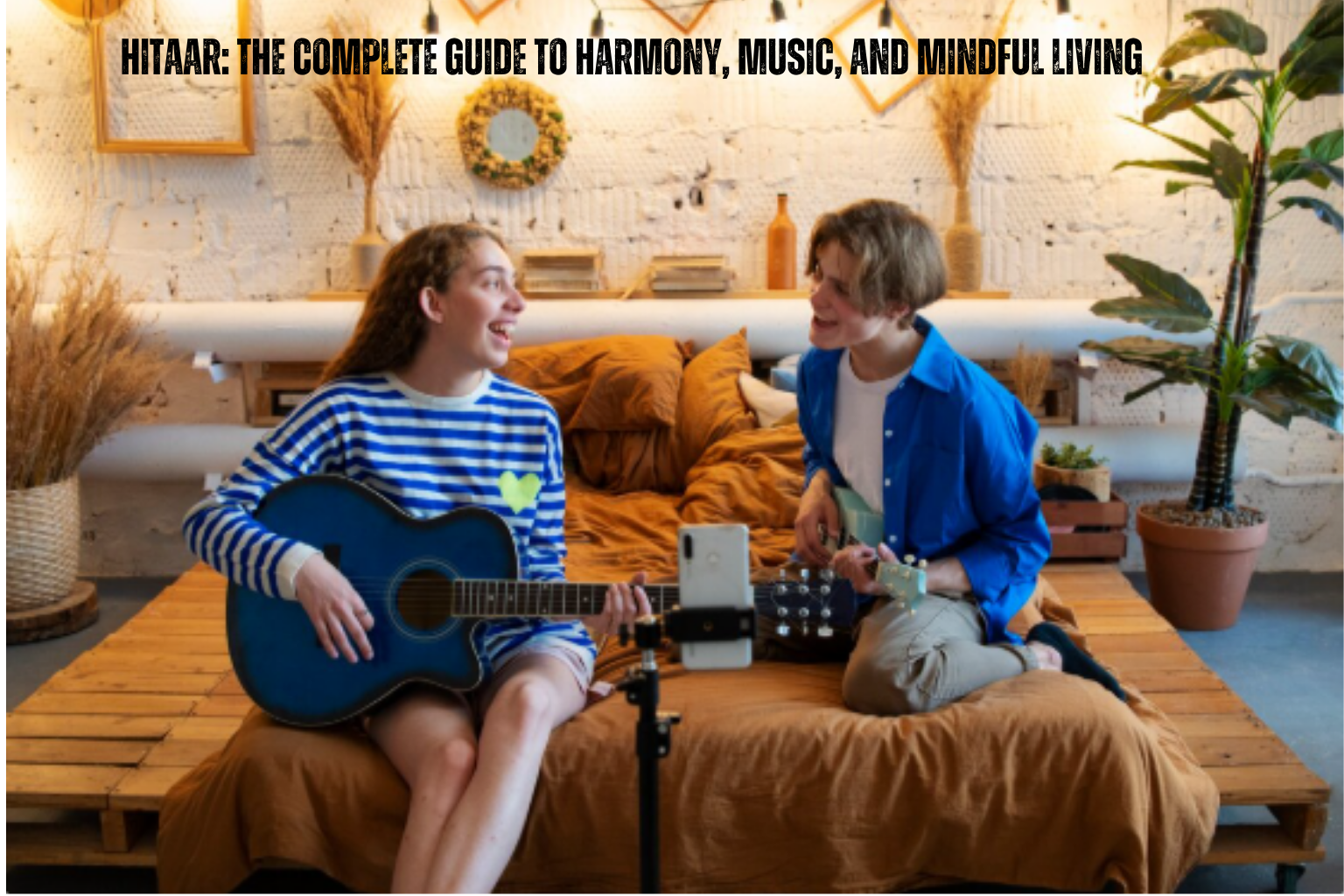
The Hitaar instrument — a uniquely crafted stringed instrument — produces rich, resonant tones that reflect cultural identity and emotional expression. Made traditionally from wood with carefully tuned strings, Hitaar’s design allows for a wide range of tones, from soft melodic whispers to vibrant rhythmic resonance.
Techniques: Fingerpicking, Strumming, Tuning
Musicians who play Hitaar use techniques such as:
- Fingerpicking: Creating intricate melodic patterns with precision.
- Strumming: Producing rhythmic layers that unify sound and movement.
- Unique tuning: Musicians often tune strings to emotional or symbolic resonances, giving the music depth and meaning.
Musical Styles: Folk, Fusion, and Contemporary
Hitaar’s music spans styles:
- Traditional folk compositions: Rooted in heritage and ancestral memory.
- Fusion art: Blending classical forms with modern instruments.
- Contemporary expressions: Incorporating electronic and experimental elements.
This diversity makes Hitaar not only a traditional practice but a living, evolving musical form.
9. Cultural Significance of Hitaar Music
Music has always been more than entertainment — it’s identity, history, and connection. Hitaar performances often take place at cultural gatherings, festivals, and communal celebrations.
Storytelling Through Music
Each piece conveys narratives — of joy, sorrow, celebration, or resilience. Listeners don’t just hear sounds; they experience cultural memory and emotional expression.
Role in Festivals and Community Gatherings
Across regions where Hitaar music thrives, musicians and community members gather for shared performance experiences, strengthening bonds and preserving tradition.
10. Creative and Artistic Interpretations
Hitaar transcends music. Its influence appears in:
- Visual arts: Paintings and carvings that symbolize harmony and interconnectedness.
- Literature and folklore: Stories of wise characters embodying the qualities of intentional living.
- Symbolic representation: Visual motifs such as balanced circles or flowing lines represent unity and movement.
These artistic interpretations reinforce Hitaar as both a life philosophy and a cultural expression.
11. Modern Adaptations of Hitaar
With globalization, digital technology, and cultural exchange, Hitaar has evolved in exciting ways.
Fusion with Contemporary Music
Artists now blend Hitaar with electronic beats, jazz, world music, and experimental genres — making the tradition accessible to younger generations.
Digital Platforms and Online Communities
Online communities, digital storytelling, and mindfulness apps have played a role in reviving and spreading Hitaar principles. People from around the world connect, share music, and explore mindful practices inspired by Hitaar.
Music Education and Workshops
Cultural festivals and educational programs offer workshops, guiding learners in both the philosophical and musical aspects of Hitaar. These immersive experiences encourage deeper appreciation and skill development.
12. Psychological and Emotional Benefits
Research on mindful living and intentional action consistently points to benefits such as:
- Reduced stress and anxiety
- Improved focus and emotional clarity
- Enhanced empathy and interpersonal relationships
Hitaar, with its emphasis on mindful engagement and harmony, supports these outcomes. Whether practiced through intentional living or through the emotional expression of music, Hitaar nurtures a sense of belonging and inner peace.
13. Scientific and Global Perspectives
In the field of psychology and neuroscience, concepts related to mindfulness and emotional balance — central to Hitaar — have been linked to:
- Improved neural pathways associated with emotional regulation
- Reduced cortisol levels (stress hormone)
- Increased activity in areas of the brain tied to attention and compassion
While Hitaar itself may be rooted in cultural practice, its principles align with global scientific understanding of well‑being and mental health.
Across cultures, similar concepts emphasizing harmony and intentional action exist — such as Ubuntu in Southern Africa, Kintsugi in Japan (embracing imperfection), or Sabbath rest traditions. These parallels highlight Hitaar’s universal relevance.
14. How to Introduce Hitaar to Others
Sharing Hitaar doesn’t require expertise — just authentic practice:
- Explain its meaning and origin
- Demonstrate intentional actions in daily life
- Share music, stories, and cultural expressions
- Encourage mindful pauses and reflection
Whether in families, schools, or community forums, integrating Hitaar helps cultivate empathy, clarity, and collective harmony.
15. FAQs About Hitaar
What is Hitaar?
Hitaar represents a philosophy of life centered on harmony, mindful living, intentional action, and creative expression.
Is Hitaar spiritual or musical?
It can be both. Hitaar’s roots span philosophical values and artistic expression through music.
How can I practice Hitaar daily?
Start with intentional choices, clear communication, and emotional awareness.
Can Hitaar improve relationships?
Yes — by enhancing empathy, listening, and respect.
Is Hitaar easy to learn?
With consistent mindful effort and openness to reflection, Hitaar becomes a natural part of life.
16. Conclusion: The Enduring Allure of Hitaar
At its essence, Hitaar is more than a word — it is a worldview. It invites us to live with intention, engage with others respectfully, and find harmony in every moment. Whether expressed through mindful decisions, emotional balance, or musical creativity, Hitaar continues to captivate people around the world.
By embracing both the philosophical depth and artistic vibrancy of Hitaar, we connect not only to ancient wisdom but also to modern realities — creating a balanced, thoughtful, and deeply meaningful life.
ALSO READ: Discover Çbiri: From Scenic Landscapes to Traditional Drinks